
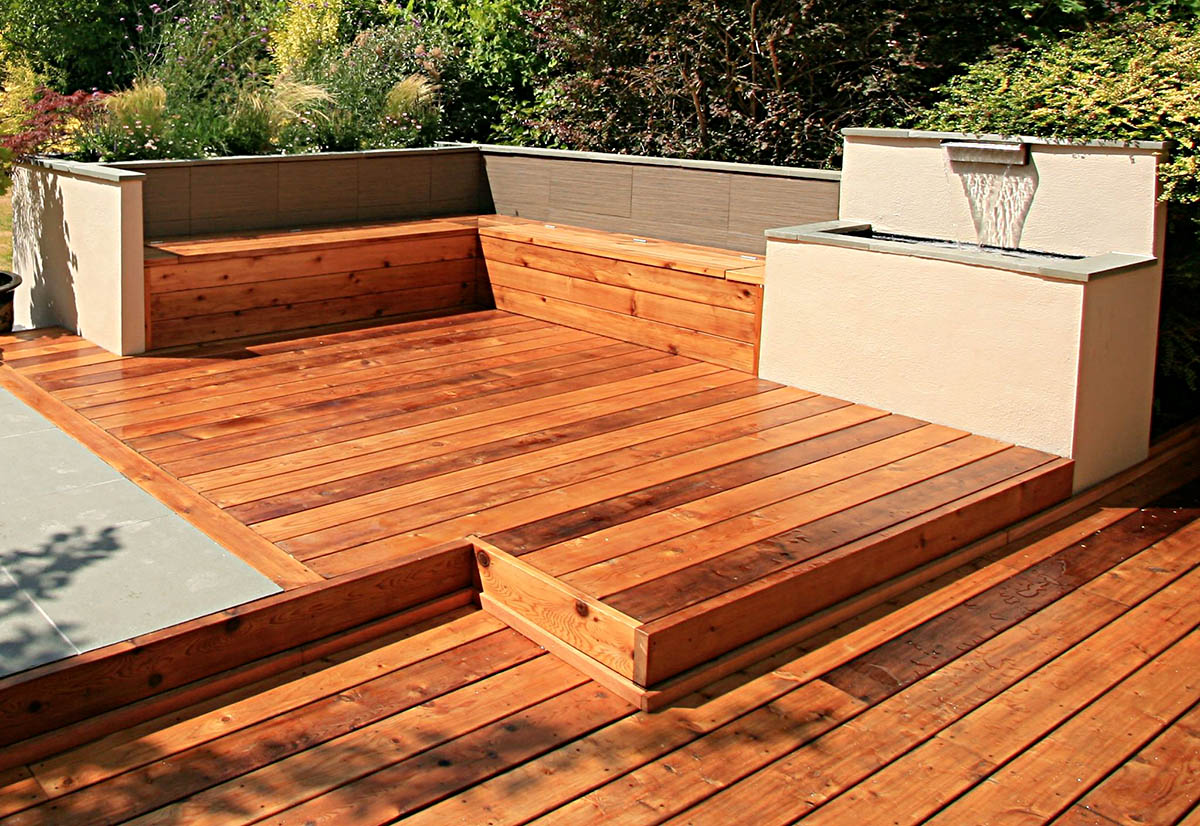
A well-built deck is one of the best investments homeowners can make. It creates additional outdoor living space, improves curb appeal, and can increase property value. However, many homeowners wonder how long a deck will actually last, especially in Virginia’s changing climate.
The answer depends on several factors, including the decking material, construction quality, maintenance routine, and exposure to the elements. Virginia experiences hot, humid summers, heavy rainfall, winter freezes, and occasional severe storms, all of which can affect a deck’s lifespan over time.
In this guide, we’ll explain how Virginia weather impacts decks, the average lifespan of different decking materials, and the warning signs that indicate it’s time for repairs or replacement.
How Virginia Weather Affects Deck Longevity
Virginia’s climate can be tough on outdoor structures. Unlike regions with relatively stable weather, Virginia homeowners deal with multiple environmental conditions throughout the year.
Summer Heat and Humidity
Virginia summers often bring high temperatures and humidity levels. Excessive moisture in the air can cause wood decking to absorb water, leading to swelling, warping, and expansion.
Over time, prolonged moisture exposure can contribute to:
- Wood rot
- Mold growth
- Mildew development
- Surface deterioration
- Fastener corrosion
Decks that are not properly sealed or maintained tend to experience these issues more quickly.
Rain and Moisture Exposure
Frequent rainfall is another major factor affecting deck lifespan. Water that pools on the deck surface or around support posts can gradually weaken structural components.
Poor drainage can accelerate:
- Wood decay
- Foundation instability
- Fastener rust
- Surface staining
Regular inspections help identify moisture-related issues before they become major problems.
Winter Freeze-Thaw Cycles
Virginia winters may not be as harsh as northern states, but freeze-thaw cycles can still damage decking materials.
When moisture enters small cracks and freezes, it expands. As temperatures rise, the ice melts and leaves larger openings behind. This repeated cycle can gradually weaken boards and create safety hazards.
Storms and Wind Damage
Strong storms can loosen railings, damage deck boards, and weaken structural connections. Falling branches and debris may also cause impact damage.
After severe weather events, homeowners should inspect their decks for signs of movement, cracks, or structural concerns.
Average Lifespan of Different Deck Materials
Not all decks are built with the same materials. The type of decking used significantly impacts how long the structure will last.
Pressure-Treated Wood Decks
Pressure-treated lumber remains one of the most common decking materials in Virginia.
Average lifespan:
15 to 25 years
Factors affecting lifespan include:
- Quality of installation
- Regular sealing and staining
- Moisture exposure
- Maintenance frequency
With proper care, many pressure-treated wood decks can exceed two decades of service.
Cedar and Redwood Decks
Natural wood options such as cedar and redwood offer attractive aesthetics and natural resistance to insects and decay.
Average lifespan:
20 to 30 years
Although these materials perform well, they still require routine maintenance to maximize longevity.
Composite Decking
Composite decking has become increasingly popular among Virginia homeowners because it resists moisture, insects, and rot.
Average lifespan:
25 to 35 years or more
Benefits include:
- Minimal maintenance
- No staining required
- Reduced risk of warping
- Excellent weather resistance
Many modern composite products come with lengthy manufacturer warranties, making them an attractive long-term investment.
PVC Decking
PVC decking is engineered for maximum durability and moisture resistance.
Average lifespan:
30 to 50 years
Advantages include:
- Superior water resistance
- Minimal maintenance
- Resistance to mold and mildew
- Long-term color retention
While PVC decks often have higher upfront costs, they frequently offer the longest lifespan.
Factors That Determine How Long Your Deck Will Last
Beyond materials, several additional factors influence deck durability.
Quality of Construction
A professionally built deck typically lasts longer than one constructed with poor workmanship.
Proper installation includes:
- Correct joist spacing
- Secure fasteners
- Proper flashing
- Adequate drainage
- Strong footings
Even premium materials can fail prematurely if installation standards are not followed.
Regular Maintenance
Routine maintenance plays a major role in extending deck life.
Recommended maintenance tasks include:
- Annual inspections
- Cleaning debris
- Washing surfaces
- Sealing wood decks
- Replacing damaged boards
- Tightening hardware
Small repairs today can prevent costly structural issues tomorrow.
Sun Exposure
Decks that receive full sun throughout the day often experience greater wear than shaded structures.
Extended UV exposure can cause:
- Fading
- Cracking
- Drying
- Surface deterioration
Protective finishes help reduce sun-related damage.
Drainage and Ventilation
Proper airflow underneath the deck helps moisture evaporate more efficiently.
Poor ventilation can trap moisture and increase the risk of:
- Rot
- Mold
- Structural decay
A properly designed deck allows water to drain away from the structure.
Signs Your Deck May Need Repairs
Even a well-maintained deck will eventually require repairs.
Watch for these warning signs:
Loose Railings
Railings should feel solid and secure. Any movement may indicate underlying structural issues.
Soft or Spongy Boards
Boards that feel soft underfoot often indicate moisture damage or rot.
Cracked or Splitting Wood
Surface cracks can worsen over time and compromise deck safety.
Rusted Hardware
Corroded fasteners can weaken critical structural connections.
Wobbling or Movement
A deck should feel stable. Any noticeable shifting should be inspected immediately.
Addressing these issues early can significantly extend the life of your deck.
When Should a Deck Be Replaced?
While repairs can resolve many issues, there comes a point when replacement becomes the safer and more cost-effective option.
Replacement may be necessary when:
- Structural framing is compromised
- Extensive rot is present
- Multiple support components are failing
- The deck no longer meets current building codes
- Repair costs approach replacement costs
A professional inspection can help determine whether repairs or replacement make the most financial sense.
How to Extend the Life of Your Deck in Virginia
Homeowners can take several proactive steps to maximize deck longevity.
Schedule Annual Inspections
Professional inspections can identify hidden problems before they become serious.
Clean the Deck Regularly
Remove leaves, dirt, and debris that trap moisture.
Seal Wood Surfaces
Protective coatings help prevent water penetration and UV damage.
Trim Nearby Trees
Reducing shade and debris accumulation promotes better airflow and reduces moisture retention.
Address Repairs Promptly
Small issues often become larger and more expensive when ignored.
Final Thoughts
So, how long does a deck last in Virginia weather?
For most homeowners, a professionally built and properly maintained deck can last anywhere from 15 to 50 years depending on the material used. Pressure-treated wood decks typically last 15 to 25 years, while composite and PVC decking systems can provide decades of reliable performance.
Virginia’s combination of heat, humidity, rain, and seasonal temperature changes creates unique challenges for outdoor structures. Regular maintenance, professional inspections, and timely repairs are essential for protecting your investment.
If you’re unsure about the condition of your current deck, having it inspected by an experienced contractor can help you determine whether repairs, resurfacing, or replacement is the best solution for your home.