
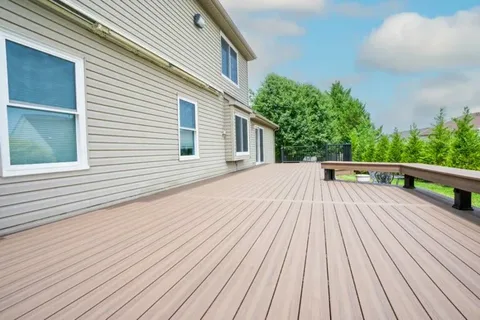
Why Deck Resurfacing Services Make Sense for Aging Decks
The deck where you once grilled with friends and enjoyed peaceful coffee mornings can gradually become a space you would rather not deal with. Boards grey and splinter, fasteners push upward, and the surface feels rough underfoot. Many homeowners assume the only answer is tearing everything out and starting over, but that is rarely true. Professional deck resurfacing services let you renew the walking surface while keeping the sound framework underneath, which saves money, time, and disruption to your yard.
At Campbell Home Improvement, we regularly meet homeowners who are surprised to learn how much of their existing deck can be saved. In most cases the structure is solid even when the top layer looks tired. Resurfacing focuses on the part of the deck that takes the most abuse, the boards, while preserving the joists, beams, and posts that were built to last for decades. If you are weighing your options, understanding how resurfacing works is the best first step.
What Deck Resurfacing Actually Involves
Deck resurfacing is the process of removing the old decking boards and installing new surface material over the existing frame. It is different from simple cleaning or staining, and it is also different from a complete rebuild. Think of it as replacing the flooring in a house without rebuilding the walls and foundation.
The process begins with a careful inspection. A qualified deck resurfacing contractor checks the joists, ledger board, posts, footings, and railings for rot, insect damage, rust, and movement. This inspection matters because new boards are only as dependable as the frame beneath them. If the structure passes, the old boards are removed, the framing is cleaned and prepared, and protective flashing tape is often applied to the tops of the joists to shield the wood from moisture. New decking is then fastened in place, and the surface is finished with fresh trim and, where needed, updated railings.
Signs Your Deck Is Ready for a Surface Renewal
Knowing when to act can keep a manageable problem from becoming an expensive one. Several warning signs suggest that your deck would benefit from restoration. Boards that are cupped, cracked, or splintering are among the most common. Soft spots, where a screwdriver sinks easily into the wood, point to moisture damage. Loose or popped fasteners, persistent mildew, faded and peeling finishes, and boards that stay slippery after rain also signal that the surface has reached the end of its useful life.
The key question is whether the damage is limited to the surface or has traveled into the frame. When the joists and beams are sturdy, deck restoration through resurfacing is usually the smartest investment. When the structure itself is compromised, a repair or rebuild may be unavoidable, and a trustworthy contractor will tell you so honestly rather than selling a cosmetic fix over a safety problem.
Replace Deck Boards or Resurface the Whole Deck?
Homeowners often ask whether it is enough to replace deck boards that look bad or whether the entire surface should be redone. The answer depends on the age and condition of the deck. If only a handful of boards are damaged and the rest remain in good shape, targeted replacement can be a sensible short-term fix. Matching the color and weathering of new boards to older ones can be difficult, though, so patched areas may stand out.
When damage is widespread, replacing boards one at a time becomes a recurring chore with diminishing returns. A full resurfacing gives you a uniform look, consistent performance, and a fresh start on maintenance. During an estimate, our team at Campbell Home Improvement explains which approach fits your deck so you are not paying for more work than necessary or less than the deck truly needs.
Which Decking Material Works Best for Your Deck Makeover?
One of the best parts of resurfacing is that you are not locked into what your deck was originally built with. Many homeowners use the opportunity to upgrade to a material that suits their lifestyle and budget better.
Pressure-treated lumber remains a popular, budget-friendly option, and it can look great when sealed and maintained regularly. Cedar and other natural woods offer warmth and attractive grain, though they require consistent upkeep to resist weather. Composite decking, made from a blend of wood fibers and recycled plastics, has become a favorite because it resists rot, fading, and insect damage while requiring little more than occasional washing. PVC decking is another low-maintenance choice that performs well in humid conditions and stays cooler in direct sun than many alternatives.
Climate matters here. Central Virginia sees hot, humid summers, freezing winter nights, and plenty of rain in between. Wood expands and contracts through these cycles, which accelerates wear. Materials engineered for moisture resistance often deliver better long-term value in this region, even when the upfront cost is higher. A local contractor who understands these conditions can point you toward products that hold up season after season.
An Old Deck Makeover Beyond the Boards
A resurfacing project is also the ideal time to give your outdoor space a broader refresh. An old deck makeover can go well beyond new boards, with fresh railings, sturdier stair treads, stylish balusters, built-in lighting, and polished trim work. Small changes like these can transform how a deck looks and feels without altering its footprint.
Some homeowners take the opportunity to improve safety by upgrading guardrails or adding handrails to stairs. Others add built-in seating, planters, or low-voltage lighting so the deck can be enjoyed well into the evening. If your deck connects to a porch or sits near one, coordinating colors and finishes across both areas creates a cohesive look, which is one reason many clients pair this work with our porch services.
Benefits of Working With a Deck Resurfacing Contractor
It can be tempting to treat resurfacing as a weekend project, but decks are load-bearing structures, and mistakes can have consequences. A professional deck resurfacing contractor brings the knowledge to identify hidden damage, follow local code requirements, use the right fasteners, and ensure proper spacing and drainage so water does not collect where it should not.
Experience also protects the finished result. Improper installation can lead to buckling, gaps, and premature wear, all of which undo the value of new materials. Hiring a skilled team reduces the chance of rework and gives you confidence that the deck is safe for family gatherings. Insurance coverage, clear estimates, and dependable communication are additional reasons to rely on professionals, and they are standards we hold ourselves to at Campbell Home Improvement.
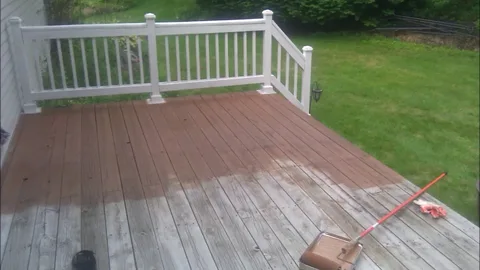
Cost, Timeline, and Value
Resurfacing generally costs less than building a new deck, since the existing frame stays in place and labor is focused on the surface. Pricing depends on deck size, the material you choose, the condition of the framing, and the complexity of railings and stairs. Premium materials such as composite or PVC cost more upfront but reduce yearly sealing and staining, which can make them more economical over time.
Most residential resurfacing projects take a few days to a little over a week, depending on size and weather. The speed of the process is one of its biggest advantages: your outdoor space is back in use quickly, and you avoid the longer disruption that a ground-up rebuild would cause. A freshly resurfaced deck also improves curb appeal and can make a home more attractive to future buyers.
Maintenance Tips to Protect Your Investment
Once your deck has been renewed, a little consistent care goes a long way. Sweep away leaves and debris regularly so moisture does not linger against the boards. Wash the surface once or twice a year with a gentle cleaner, avoiding harsh pressure that could damage the material. Wood decks should be resealed on the schedule the manufacturer or your contractor recommends, while composite and PVC surfaces generally need only periodic cleaning. Check fasteners and railings each season, and address small issues promptly before they grow.
Serving Homeowners in Richmond, VA and Nearby Communities
Local knowledge is valuable when it comes to outdoor projects. Campbell Home Improvement provides deck resurfacing services for homeowners in Richmond, VA, as well as neighboring communities including Midlothian, Henrico, and Chesterfield. We understand the weather patterns, building expectations, and architectural styles common to these areas, and we tailor each project to match your home and goals.
Our work covers the full range of outdoor needs, from deck installation and repairs to porch construction and resurfacing. That breadth means we can evaluate your property honestly and recommend the right service rather than defaulting to a single solution.
Ready to Bring Your Deck Back to Life?
A worn deck does not have to mean a major rebuild. With the right inspection, materials, and craftsmanship, deck resurfacing services can return your outdoor space to a safe, beautiful, and comfortable condition at a fraction of the effort of starting over. If your deck is showing its age, contact Campbell Home Improvement at (804) 426-9312 to schedule an appointment and learn how we can restore it.
Frequently Asked Questions
How much do deck resurfacing services cost?
Cost varies with deck size, the material you select, and the condition of the underlying frame. Because the structure stays in place, resurfacing typically costs noticeably less than a full deck replacement. The most accurate way to learn your price is through an on-site estimate.
How long does deck restoration take?
Most residential projects are finished within a few days to about a week. Larger decks, complex railing systems, or bad weather can extend that timeline slightly.
Can I resurface my deck if some of the framing is damaged?
Minor damage to joists or beams can often be repaired before new boards go on. If the frame has widespread rot or structural failure, a rebuild may be the safer choice, and a reputable contractor will explain the difference clearly.
Is it better to replace deck boards or resurface the entire deck?
If only a few boards are damaged, replacing them can be practical. When wear is widespread, resurfacing delivers a consistent look and longer-lasting results than patching boards one by one.
How do I choose a deck resurfacing contractor?
Look for a licensed and insured contractor with local experience, clear written estimates, visible project photos, and positive customer reviews. Ask about materials, warranties, and how the team handles inspection of the existing structure before work begins.